Cut and Come Again Cut and Come Flower
A garden that will produce flowers all flavor long with a minimum of try sounds pretty good, right? You can either institute a ton of single bloom-producing flower plants, or yous tin tap into the compensation of cut and come again flowers, the elevation producers of the blossom garden.
Cut and come up once again flowers are a grouping of annual flowers that answer well to having their flowers cut frequently. With each cut the establish will be encouraged to produce more blooms, resulting in a months-long span of flower production from one plant.
These dependable producers deserve a spot in the garden. Non only volition they produce all season long, merely they're as well easy to abound and smashing for beginners and experienced gardeners akin.
What are cut and come once again flowers?
The term "cutting and come up again" describes certain flower plants that thrive with frequent cutting. Each time a stem is cutting the flower sends out new replacement stems, which produce more flowers for the same amount of plants.
On the other mitt, some flowers are "1 and done" plants that produce ane cardinal blooming stem. Once that stem has been cut the flower is washed and won't grow whatever more blooms. So it's either replace the plant or exist done with that variety for the season.
Equally you harvest a stem to get blooms for your fresh bouquets, cut right above a co-operative in the stem. You'll come across another stem getting ready to grow and provide the next bloom for your garden.
This is the magic of cut and come up again flowers. Choice a stem, get a stem!
I put some of my favorite recommendations in this article, and there are fifty-fifty more in this article, 10 Cut And Come Once more Flowers That Are Like shooting fish in a barrel To Abound. Betwixt these 2 resources, you lot'll have no shortage of inspiration for the cutting garden.
How does deadheading aid produce more blooms?
Deadheading is another way to keep cut and come up again flowers producing all flavor. You may choose to leave some of the blooms on your cut flower plants to savour in the garden, or just skip some harvesting days due to a busy schedule. If that's the case, the open blooms on the constitute will get-go to fade and eventually die.
If those blooms are allowed to die and go to come across while on the found, so it volition slow downwardly the product of blooms and too die back considering information technology perceives its job to be done. There's no demand to produce more fresh flowers if information technology has already made seeds for the next generation of plants.
And so whether by intentional cutting of fresh blooms or deadheading of spent blooms, keeping cut and come up again flowers producing all season long by cutting them oftentimes.
I've got a lot more information near deadheading to respond all your questions. Check it out here: Should You Deadhead Cut Flowers, Too?
Utilise succession sowing to go even more than blooms throughout the flavour
Even though cut and come again flowers volition produce over weeks, if not months, succession sowing can still be a valuable strategy to get even more blooms and keep your plants healthy.
Succession sowing means replanting multiple times throughout the season. Instead of planting once in the spring, you would institute in the jump and summertime. Or to actually pump out the blooms, you could plant once in early spring, once more in late spring, and finally an early summertime sowing.
Past replanting a certain crop ii-iv times throughout the growing season you can maximize the number of productive plants in your garden infinite. As the first planting starts to look ragged later on so many cuttings from it, you already accept a new plant coming into bloom to replace it.
Succession sowing combined with cut and come over again flowers will nearly guarantee that you'll be swimming in flowers by the superlative of summertime.
Hither'south an example with Champagne Bubble poppies, which bloom 85-100 days after planting:
- 1st planting: In the fall, direct sow seeds into the basis about 6 weeks before your first frost. They will sprout and grow into small plants that can survive the libation temperatures of winter. They'll be the start to bloom in spring.
- 2nd planting: A few weeks before the last spring frost in your expanse, sow some other batch of poppy seeds. They'll grow into strong spring plants and produce a 2nd circular of blooms.
- 3rd planting: Poppies don't love warm weather, so put this third sowing right around the last frost of bound. Your start sowing volition probably be slowing down now later a couple of months of producing blooms, then this batch will stride right in.
Top varieties of cut and come up again flowers
Zinnia
Zinnias are strong producers of abundant blooms, especially if yous alive in a warm climate. They are naturally branching plants that develop buds on side stems. You can even encourage the development of more branching steps through a method called pinching.
Pinching means cutting the growth tip of a flowering plant early in its life to encourage branching. More branches hateful more opportunities for the plant to produce flowers.

Zinnias answer very well to pinching after they're about 4 inches tall in the garden. Only, if y'all don't want to take the fourth dimension to compression your plants, you'll still go loads of blooms through the procedure of cut stems for bouquets and arrangements.
Succession sowing will go along the zinnia product lasting all summer and into the fall. Zinnias tend to succumb to powdery mildew after a few months of growth, so replacing your crop throughout the flavour will avoid that problem.
Aim for a new sowing every iv weeks or so, pulling out the oldest plants every bit y'all go. This rotation will lessen the chance of diseases showing upward while also staggering the plant growth to avoid gaps in production.
Recommended varieties to effort:
- Benary's Giants: This is one of the most pop Zinnia varieties to grow in the cutting garden, from home product to cut flower farms. Flowers range in color from red, orange, yellow, rose, coral, and regal. The plants grow to about five anxiety tall, so be certain to requite them room to stretch.
- Queen Lime Series: This line of zinnias produces blooms in antique colors of rose, orange, blush, and lime. All variations have a rose-pinkish eye and are puffy double blooms. This particular mix is fantastic and blending colors in a bouquet. A Queen lime zinnia's green petals and pink center beautifully complement a green bells of Ireland and coral gomphrena.
Cosmo
Cosmos are workhorse flowers in the cut garden. They'll provide you with blooms for months on terminate if you keep them picked. If you lot leave some blooms on the constitute make sure to deadhead the residuum. As explained earlier, if you leave old blooms on a cosmo plant it volition shortly boring down product.
Considering cosmos are such heavy producers and respond well to frequent harvesting and deadheading, brand sure to put them in a place where they tin reach their full potential. Many cosmo plants will get v-vi feet alpine and their feathery dark-green leaf will quickly fill in.

Speaking of leaf, don't be shy about picking the light-green leaves of cosmos for your bloom arrangements, as well. They make an excellent filler and add whimsy and move to your system.
Cosmos are astonishing bang-for-your-buck plants and should exist included in any cutting garden.
Recommended varieties to try:
- Double Click Mix: These cosmos produce large, puffy double and semi-double blooms in white, pink, and burgundy. They also respond well to pinching when the plants are just a few inches tall and will produce even more blooms over a long season.
- Xanthos: Soft buttery yellowish blooms make this cosmo a cheerful addition to summertime bouquets.
- Rubenza: On the shorter side of 3-4 feet tall, this cosmo is a great choice if you lot need a shorter plant in the cutting garden. Blooms are cranberry reddish with a yellow center and brand an eye-catching advent in the garden.
Calendula
Bright and easy-growing calendulas will provide absolute loads of flowers if cut regularly. The petals are too edible, and I'one thousand all for double-duty in the blossom garden. Toss some petals in a salad or selection long, strong stems for the vase; either way, you've got a good selection for the cutting garden.

Succession sowing volition go on you in flowers from spring to fall. Aim for a new batch of plants to go in the garden every iv weeks or so. The plants can also tolerate a fleck of cold, so you may get blooms even after the showtime frost of the year.
Recommended varieties to try:
- Orange Flash: These rusty-range blooms have vaguely spiky petals that concluding in the vase.
- Snow Princess: These flowers modify color as they historic period. The blooms start as a butter yellow and then slowly fade to a creamy white over the course of a few days. A dark heart is consistent equally the petals change.
Basil
Grown mainly for its leafage, basil is one of the easiest and most productive plants to abound in the cutting garden. Foliage fills the vase with a lush backdrop that can then be filled in with other colors and flowers.
Basil ranges from greenish to deep burgundy and provides a light spicy scent to the arrangement. Pocket-size flowers develop on spikes that shoot upwardly from the leaves, adding another element to the cut garden and vase.

Harvesting basil encourages more growth, then don't be agape to cutting as many stems equally you lot need. Though the plants will continue to grow as y'all harvest, try a succession sowing or two, every bit basil loves summertime rut and you'll be able to maximize the amount y'all tin can cut. Yous tin never have as well much foliage bachelor for arrangements!
Recommended varieties to try:
- Mrs. Burns' Lemon: 1 of the virtually popular varieties grown past blossom farmers, this diverseness produces bright green leaves with tiny white flowers. It adds a delicious spicy lemon scent when cut.
- Cinnamon: But as the name implies, this fragrant basil adds dimension to whatever boutonniere. Dark stems produce heavily veined leaves and bunches of purple blooms that bees honey.
Iceland Poppies
In that location are many types of poppies simply Iceland poppies have the best vase life and so they're the near suited to cut. Long, thin stems make a delicate addition to arrangements. Succession sowing, as outlined in a higher place, volition help keep your season filled with poppies ready to harvest.
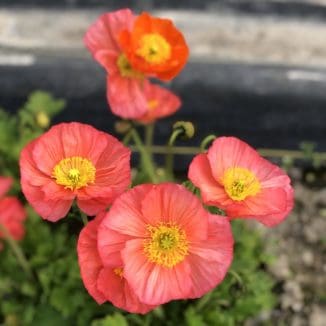
Recommended varieties to try:
- Champagne Bubbling: Available as either a mix or in single colors, Champagne Bubbles produces big, papery blooms in orange, pink, blood-red, yellow, and white. All colors take a sweet xanthous eye.
Sweet Peas
A wonderful early boomer, sweet peas will embrace a trellis in strong stems and sweet-smelling blooms in no time. Another great example of cut and come once more, sweetness peas reply very well to frequent cut. Endeavor planting a new batch of seeds every 3 weeks to take advantage of the high product of cool bound weather condition.
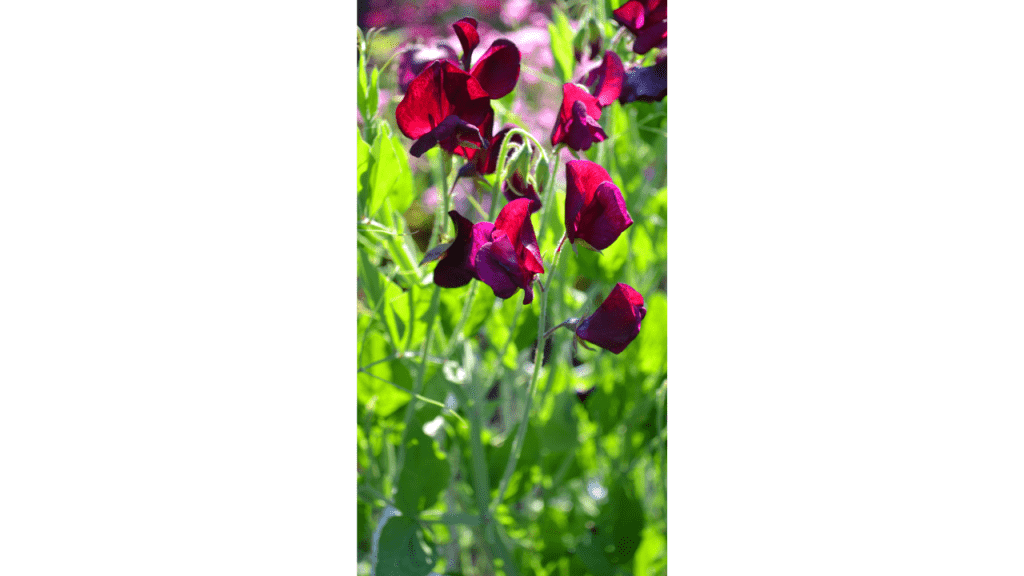
All parts of a sweet pea establish are poisonous, so exercise non confuse them with garden snap peas that are edible.
Recommended varieties to try:
- Mammoth Pick: If you live in a warmer climate, this is the diverseness for you lot. The vines will keep to grow and produce even equally the temperature rises. This is a great option if you don't want to succession sow in the spring, every bit it volition keep you lot in blooms for longer.
- Enchante: Tricolor blooms of pink, lavender, and foam, this diversity volition amuse y'all with its curly blooms on sturdy stems.
- Midnight: Dark maroon blooms a lightly scented and also attract hummingbirds.
With so many types of cut and come over again flowers for the cut garden, you won't have any shortage of blooms to choice for your whole growing flavor.
washingtontheridly.blogspot.com
Source: https://homegrownfoodandflowers.com/what-are-cut-and-come-again-flowers/
0 Response to "Cut and Come Again Cut and Come Flower"
Post a Comment